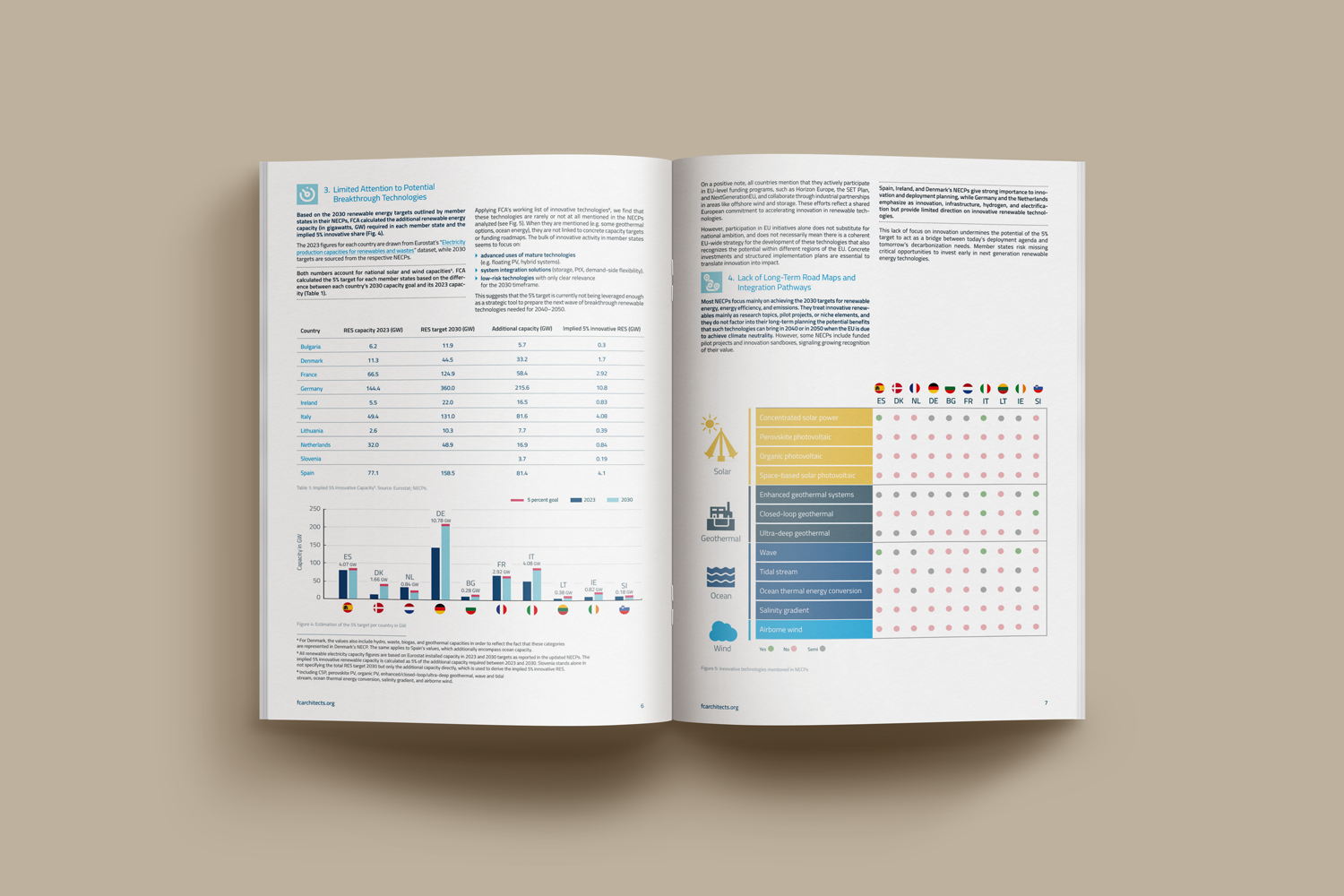
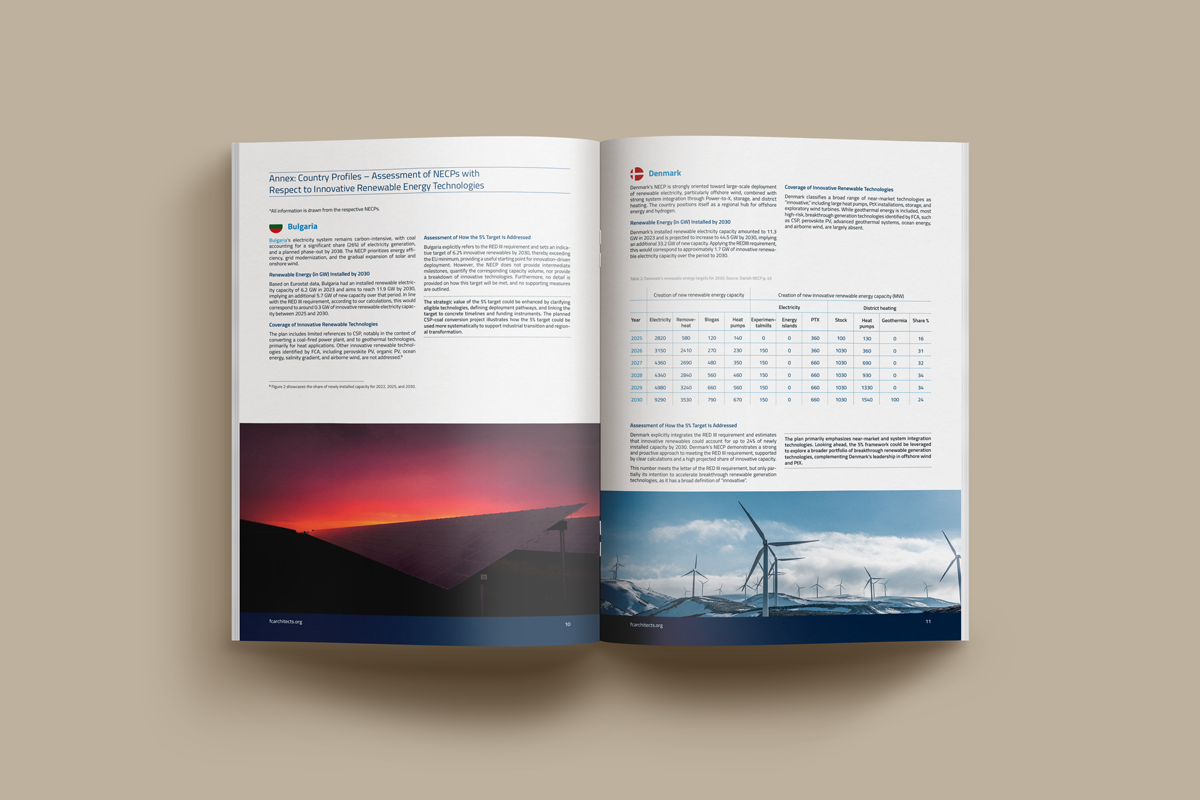
Clarity isn't the goal. It's the baseline.
If you work in climate adaptation or the energy transition, you already know your work is urgent, the research is rigorous, and your evidence is real. And yet, somewhere between the data and the decision, something gets lost. I think about this a lot. I've heard people say they need cleaner dashboards, more consistent reports, better colour choices. And yes, those things matter. But they're not why information design matters.
Information design matters because a well-designed climate brief means a better-informed policy decision. Because a clearer nature-based solutions report means a municipality understands what it's being asked to fund. Because when your organisation communicates its evidence well, the right thing happens, and somewhere, someone's situation is genuinely different because of it.
That's what's at stake. So I'm not here to offer a cosmetic upgrade. I'm here to design for the world that becomes possible when your evidence is clear enough to act on.
But here's the thing I keep coming back to: clarity is necessary, but it's not enough.
You can produce the most carefully designed report. Thorough, honest, beautifully laid out. And still, a policymaker will not encounter it, or won't trust the source, or will receive a distorted version after it's passed through three other hands. Clarity doesn't protect you from that, it simply removes one barrier.
The harder, more interesting questions are things like:
Does this information give someone enough to work with in 30 minutes (or even 30 seconds?!): a busy mayor, an overloaded civil servant, a sceptical decision-maker?
Are you starting from their worldview, or yours?
What does your key finding look like after it's been retold three times in a meeting?
Does engaging with your evidence ask the audience to give something up: a belief, a budget line, a comfortable assumption?
Those are design questions. Most organisations treat them as someone else's problem and I believe that they shouldn't. Before the strategy, though, comes the sensemaking. And sensemaking doesn't start in a design tool. It starts in the messy middle: between spreadsheets, field notes, text docs, and the gap between the people who collected the data and the communities who lived it.
When I look at any piece of climate communication, I run it through four simple questions:
What am I looking at?
What does it mean: is this alarming, expected, promising?
Why should I care?
What can I do with this?
If you can't answer all four quickly, you've found where the work is.
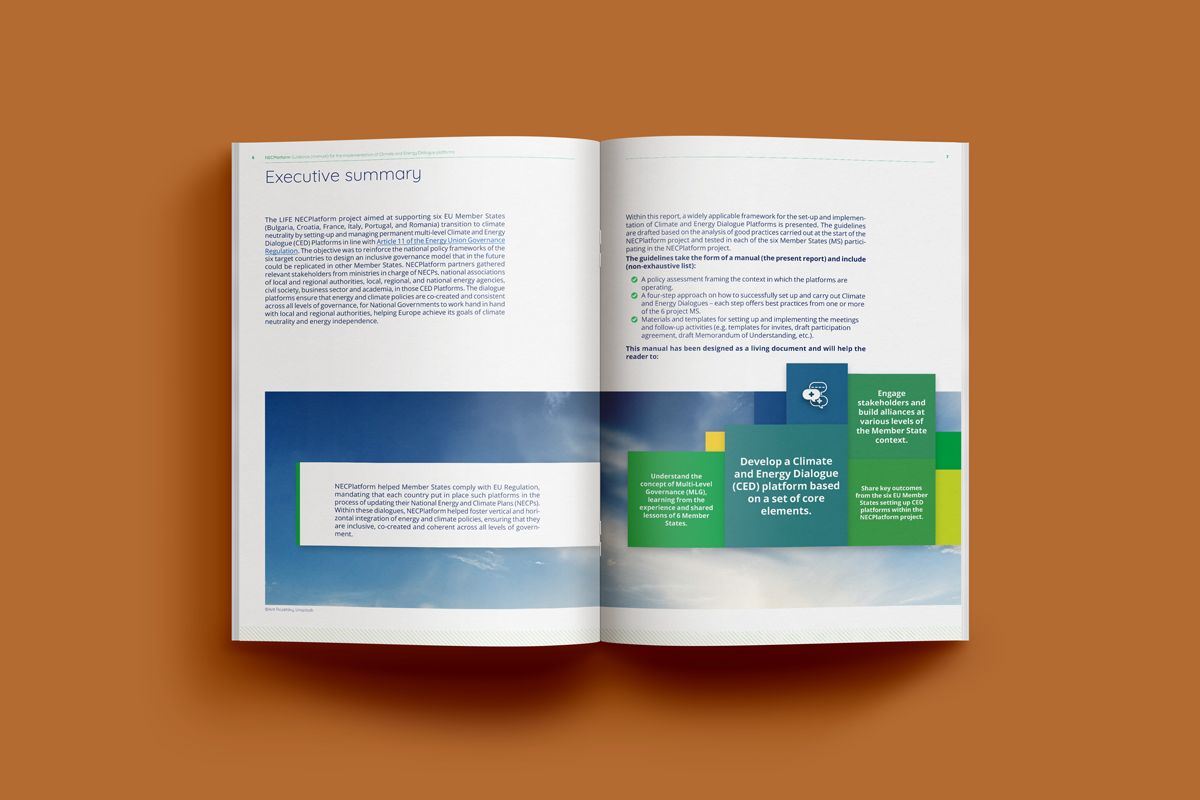
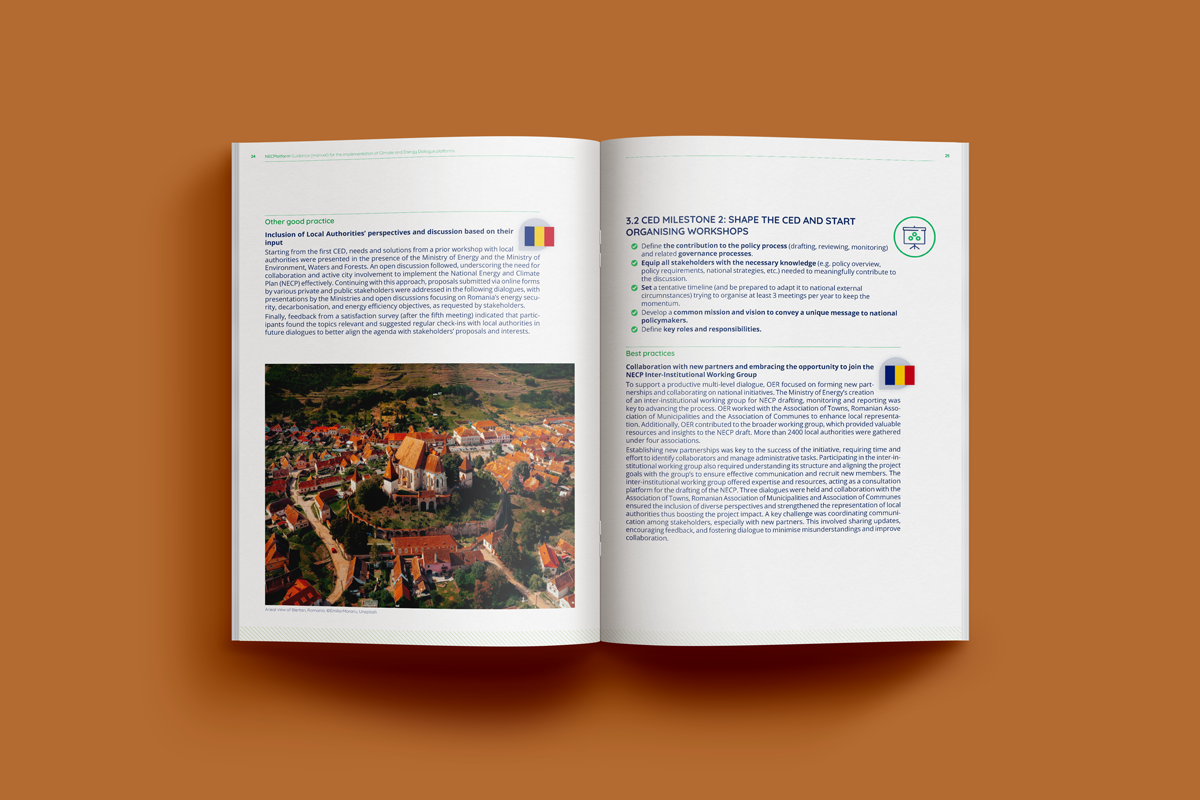
Organisation's brand colours vs. data visualisation
One last thing, and it's a practical one for the communications managers out there. Your information designers, most likely, can't use your organisation's brand colours for data visualisation. Not because the colours are wrong, but because most brand palettes simply aren't built for it. Data needs perceptual evenness: consistent visual steps between shades so that comparisons read true. It's a fixable problem. It just needs to be named. This is the kind of thing I think about for the organisations doing work that matters. More soon.