Cover design for Orlando's PhD thesis
Orlando from ETH Zürich reached out with a question for cover design, with a title so long I will put it on its own line:
From Scenarios to Pathways: Advancing Model-based Adaptive Planning for Land Use and Transport Systems under Uncertainty
He found me through Ruth Nelson, having seen my Just Mobility Futures illustrations, and thought I could help translate his research into something visual for the cover. Challenge accepted!
We worked together remotely, focused on the cover and a set of icons, while Orlando kept the internal layout in his own hands. Smart move, since it is possible that you have to update the content of your thesis after the defence anyway.
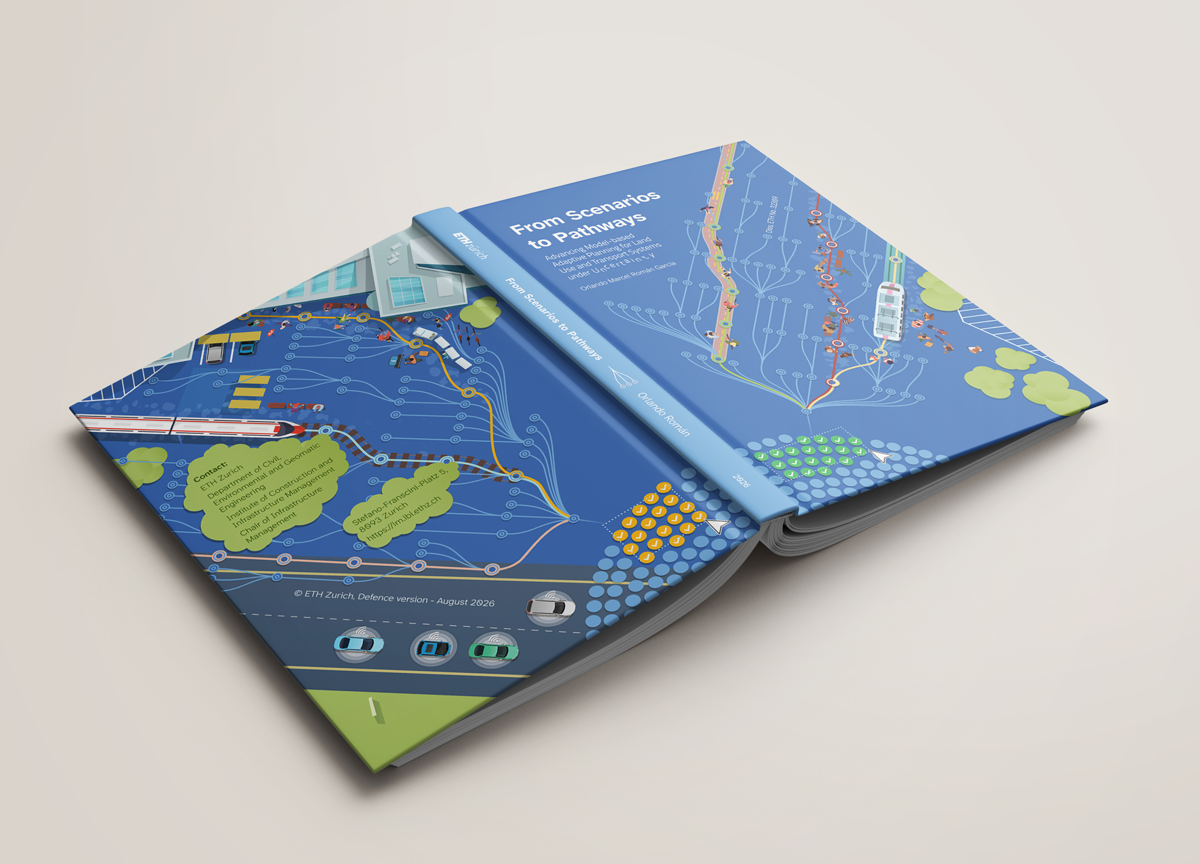
Orlando needed a cover for his PhD thesis on transport planning under uncertainty. We started with satellite images that looked more like driveways than cycling paths, then landed on something far better: tiny humans, giant policy trees, and 8 million simulations turned into a story filled with eye-candy.
Round one: three directions
We started with three completely different concepts. Orlando quickly ruled a couple out, which told me two things: he has a clear eye, and we'd be able to work in small, efficient sprints. Music to a designer's ears.
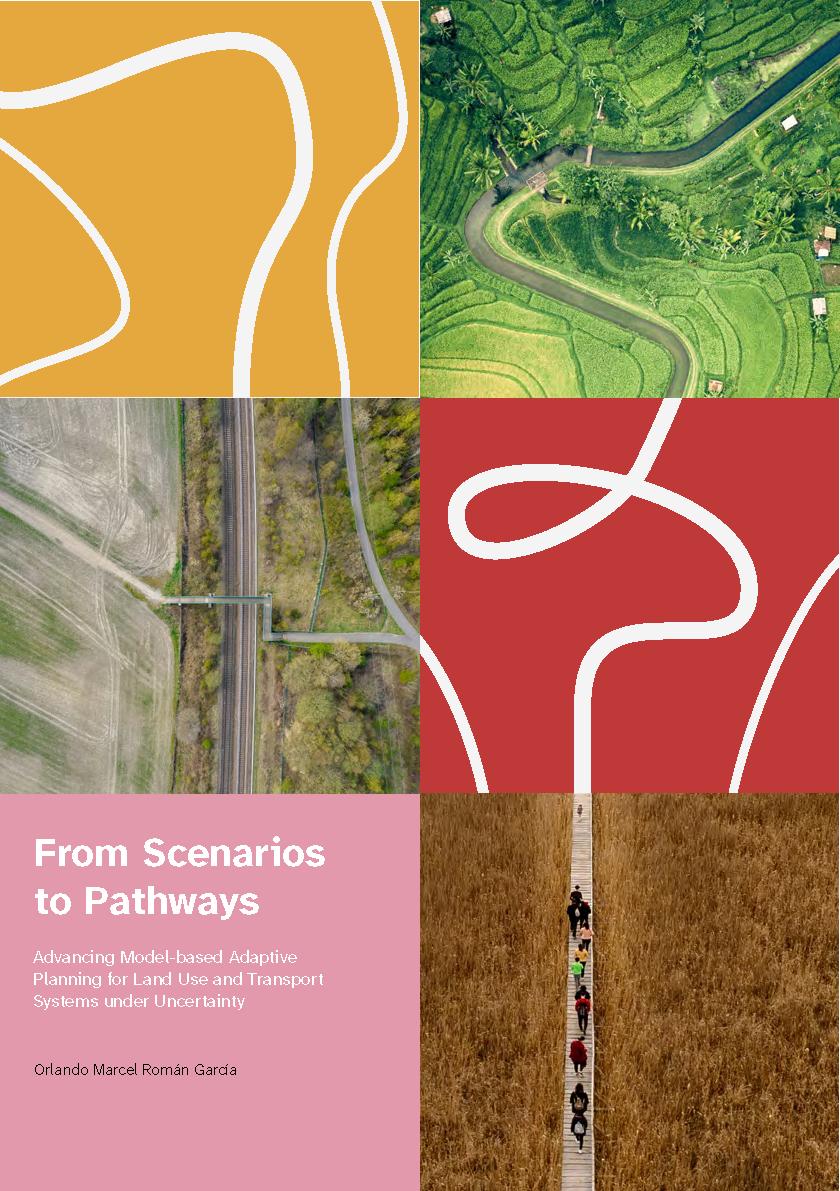
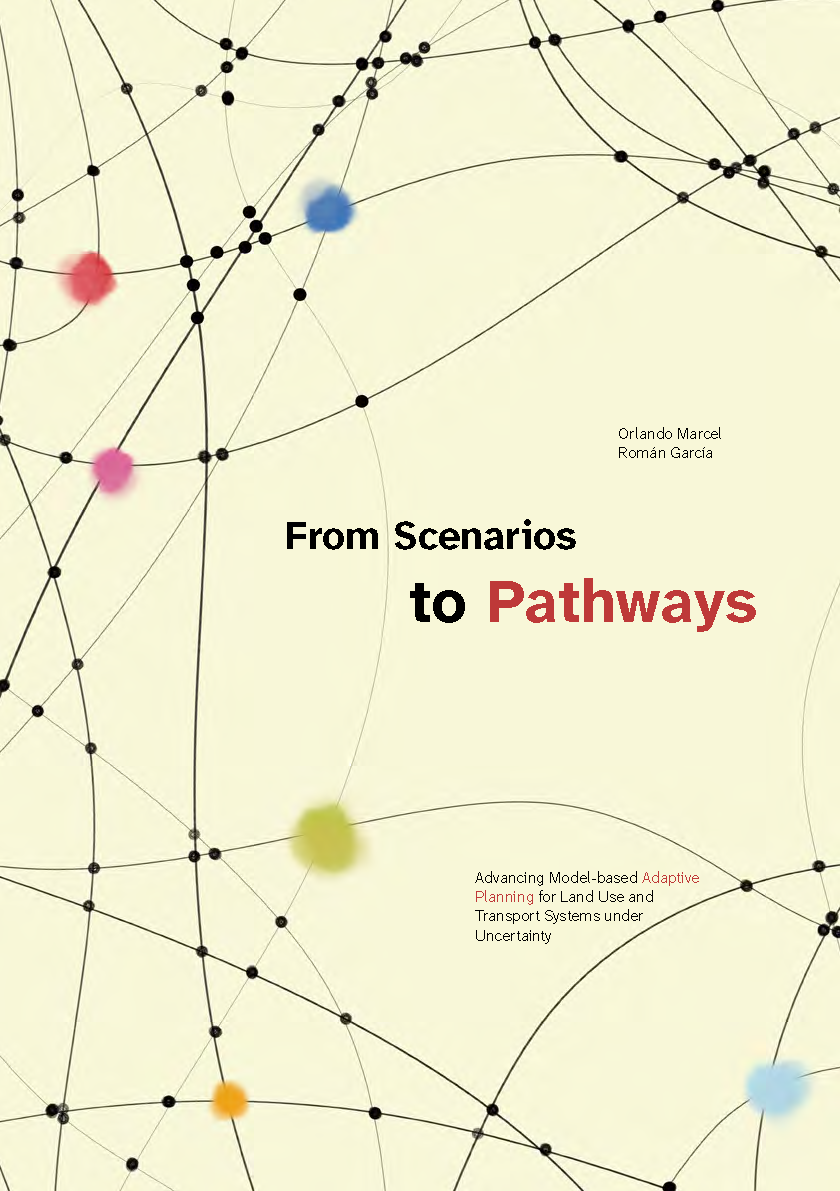
One of the ruled-out ideas was interesting and ambitious: blending the concept of "pathways" with actual transport routes, using satellite imagery of cycling paths, railways, roads... Beautiful in theory, painful in practice. From above, a cycling path and a random driveway look suspiciously alike, and no amount of squinting fixed that. So I had to let it go and moved on with dignity intact.
Finding the concept
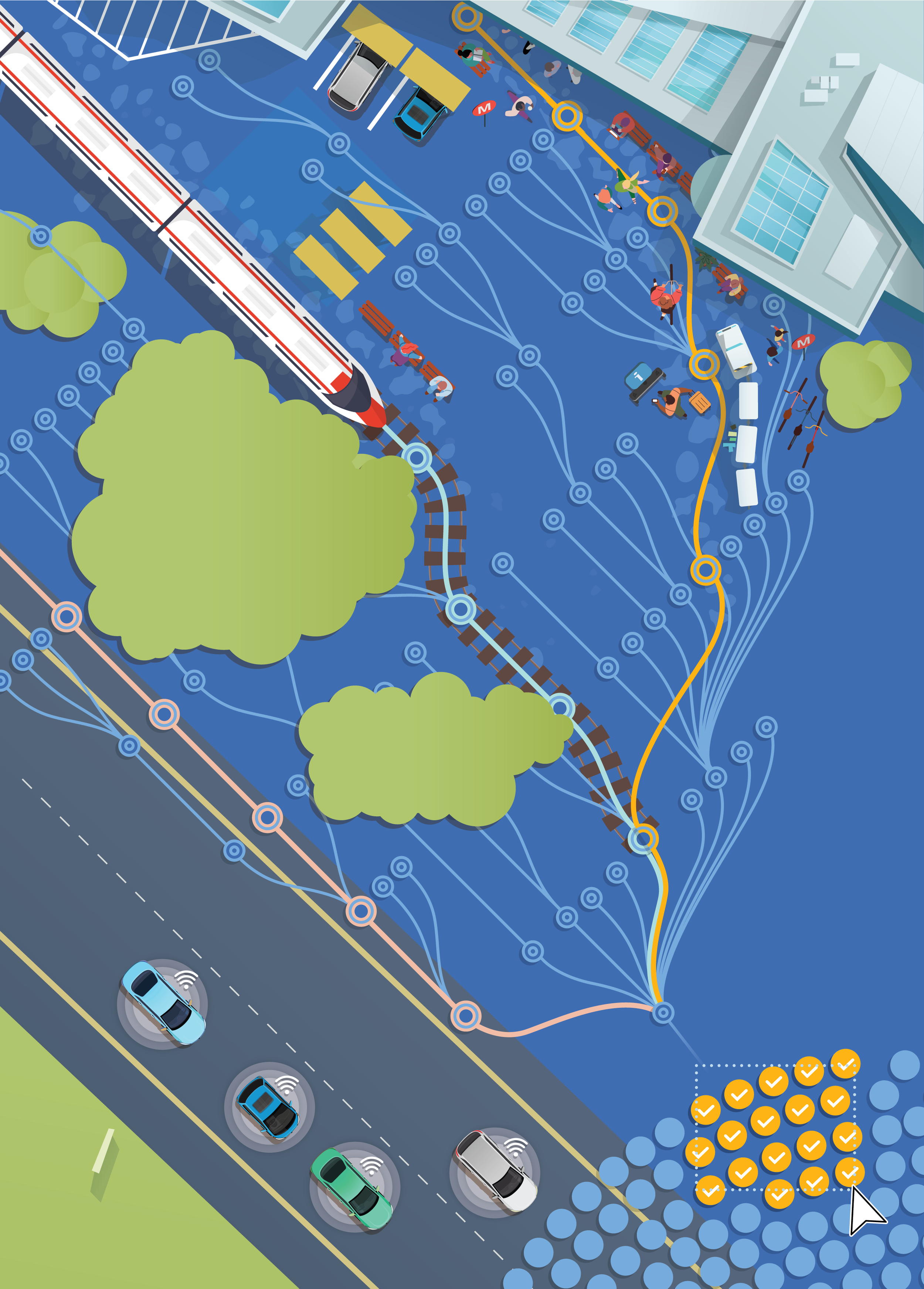
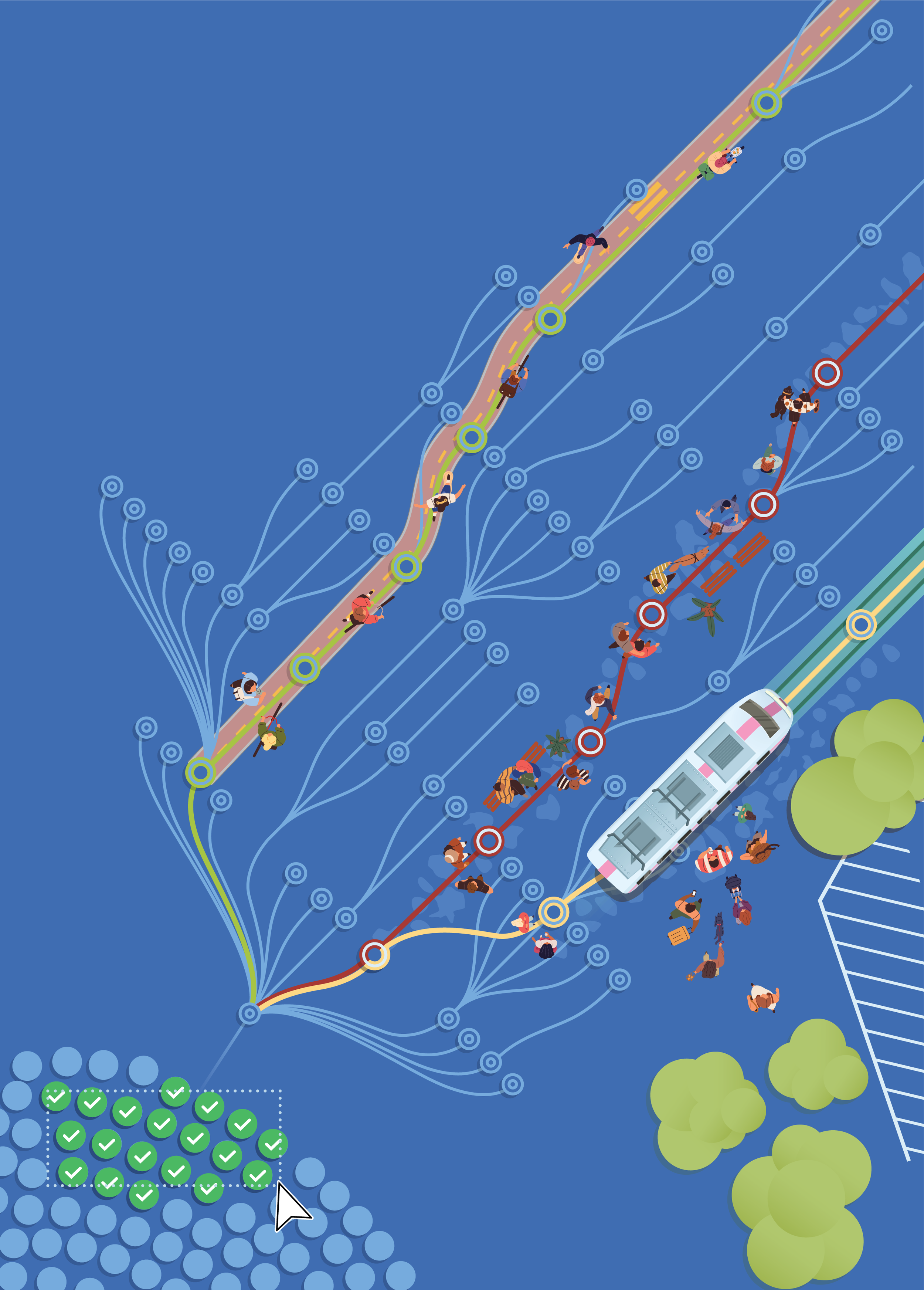
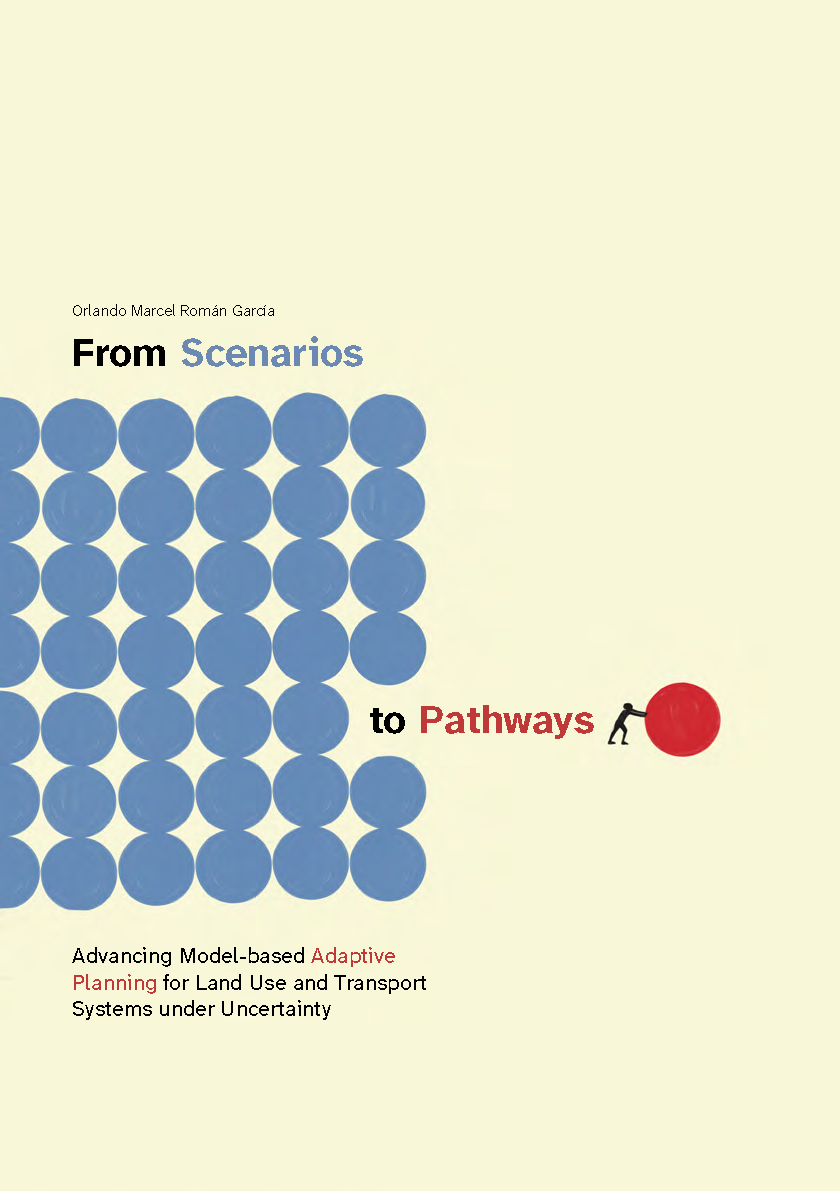
What we landed on instead was a mix of two ideas you see above: little figures marking out a boundary in a field of possible futures.
Luckily during the process I had a genuine breakthrough moment (the kind where you sit up a bit straighter): switching to a top-down view. Suddenly the abstract pathways could read as actual infrastructure. It gave us the clarity we'd chased since the very first tests.
From scenarios grows a huge policy tree, representing the massive computational search behind Orlando's work (8 million simulations, in case you were wondering how seriously he takes "thorough"). Branches of that tree become the actual pathways, and tiny humans are scattered throughout, discussing, debating, and pointing the way forward. A nice visual reminder that behind every "humans-in-the-loop" buzzword, there are people discussing which way to go.
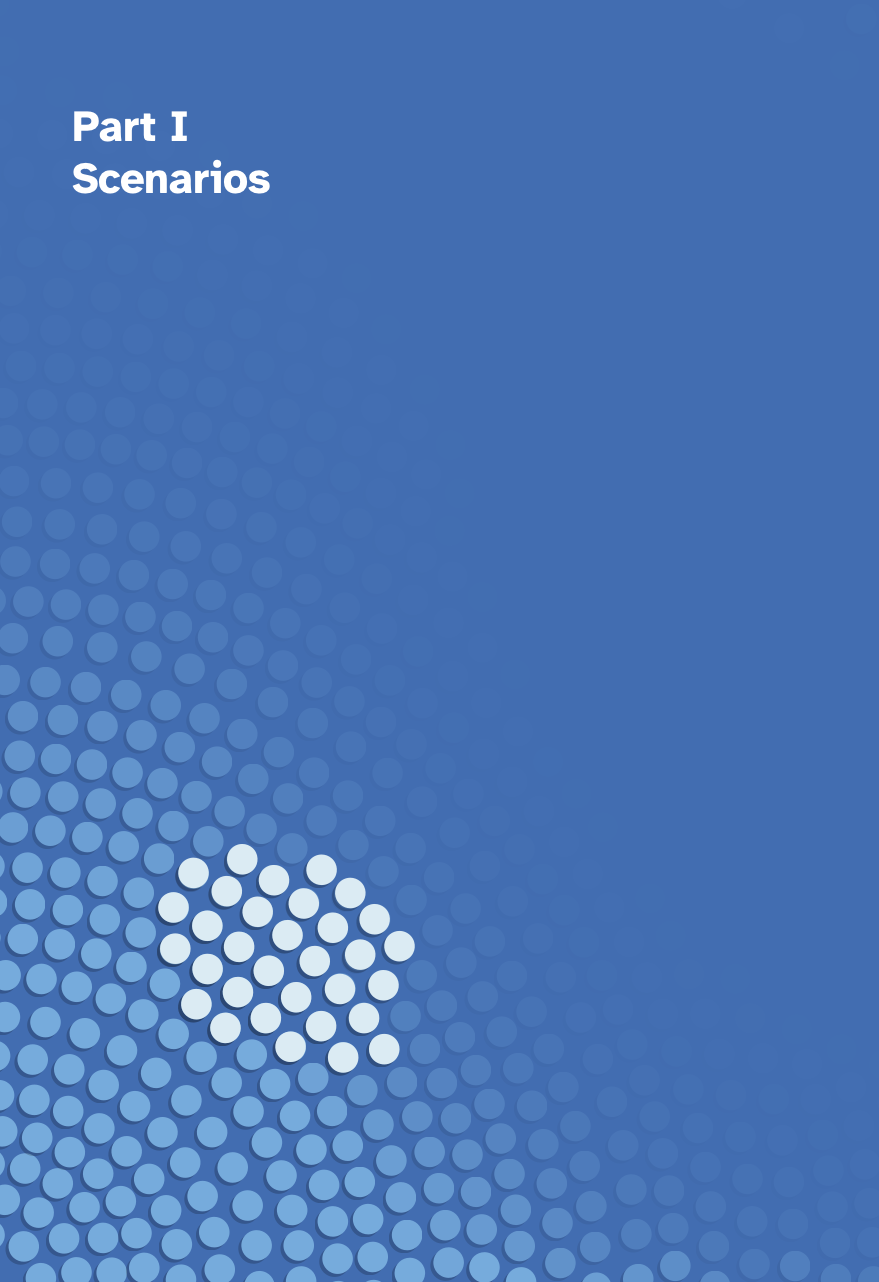
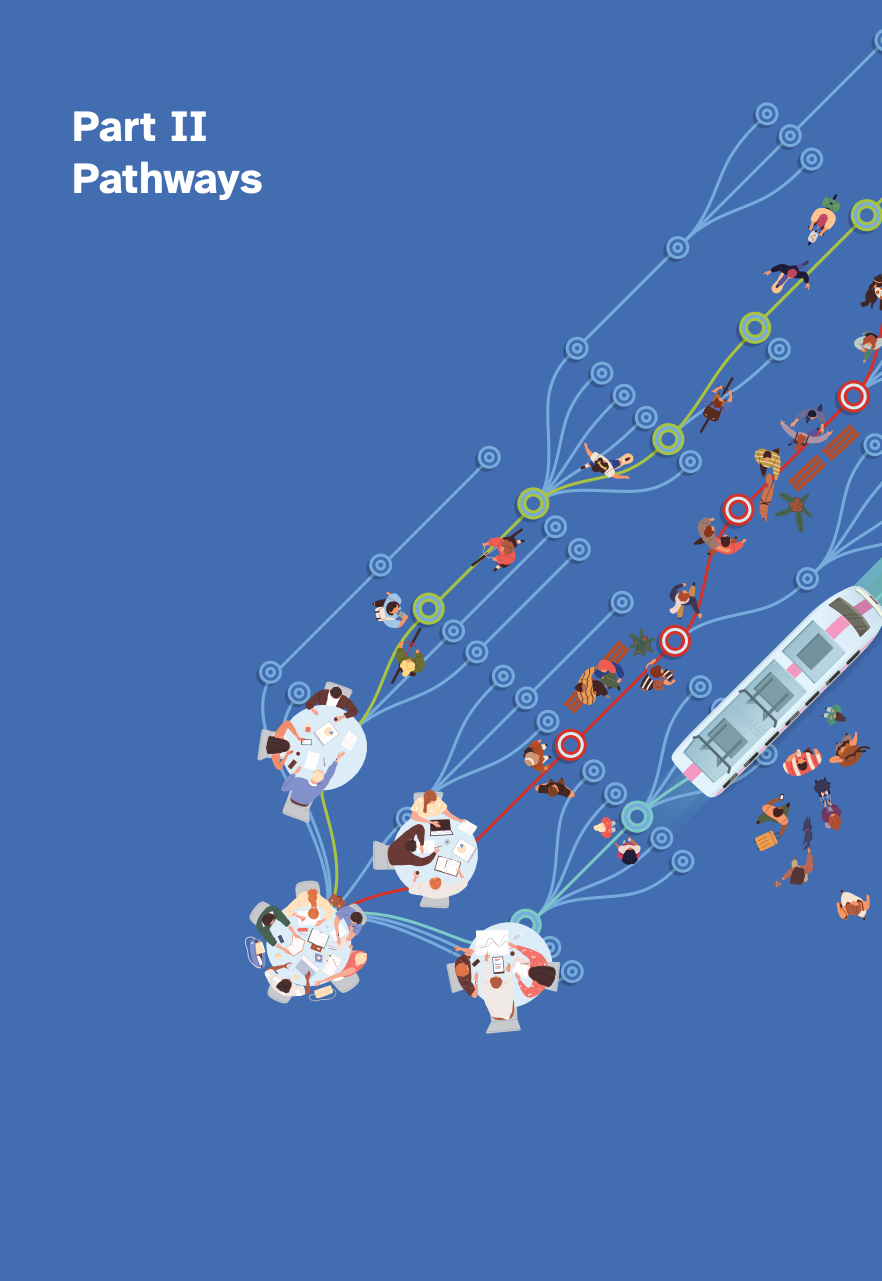
Each theme, cycling, rail, walking, and others, got its own little illustrations, so the pathways carry meaning beyond being very nicely colour-coded lines.
Testing and refining
Here's where I learned something important:
In reality, it's the policy where the complexity explodes. All those combinations of projects, timing, locations… branching out into infinity. The scenarios, by comparison, are more contained, shown here as a cluster of circles.
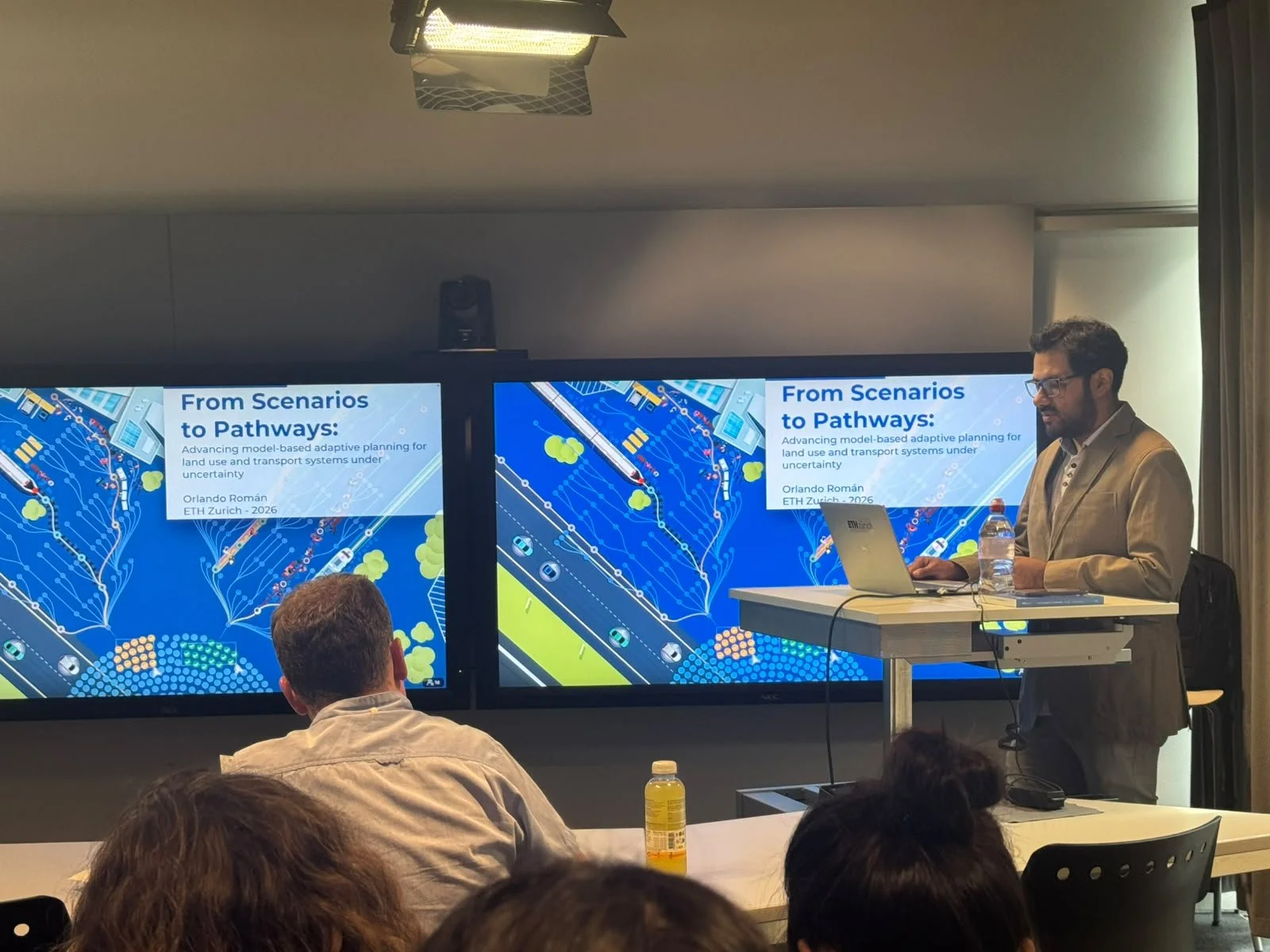
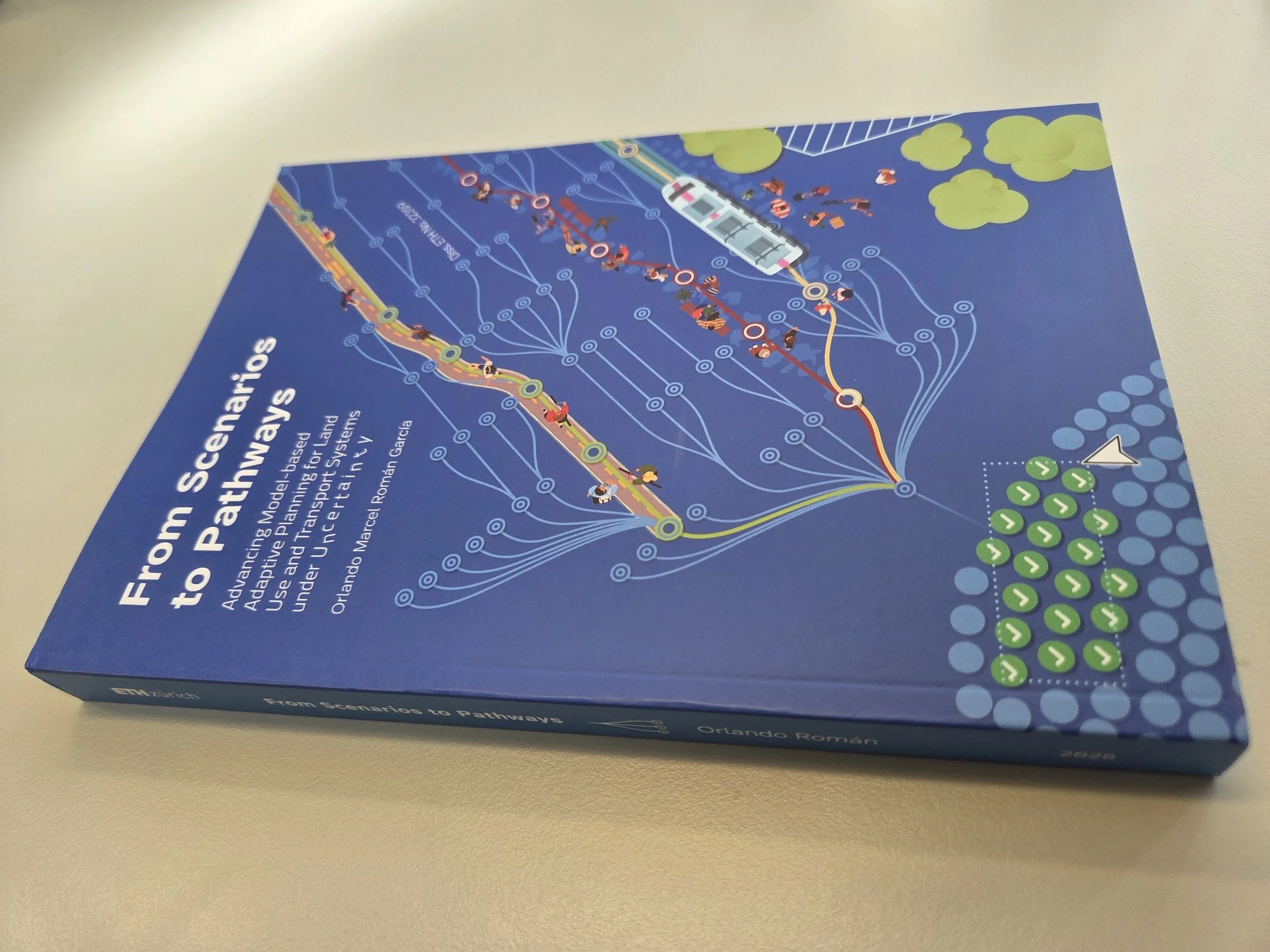
With that settled, I could finish it all up: front and back cover, spine, as well as inner covers and the presentation opening slide.
Congratulations to Orlando on this amazing publication!