
-

Discovery call
We talk. I listen. You tell me about your goals, your audience, and what's keeping you up at night. 30 minutes, maybe less if you're a fast talker.
-

Strategy and concept
I disappear into the work. Then I come back with a visual direction that's rooted in what you're trying to say. No fluff. No generic stock photo nonsense.
-

Design and refinement
You get drafts. We talk about what's working and what's not. We iterate until it's right. Focused work toward the best result.
-

Delivery and support
Final files. Source files. And guidance so you can use this stuff down the road. You're not left guessing how to open a .ai file or what RGB means.
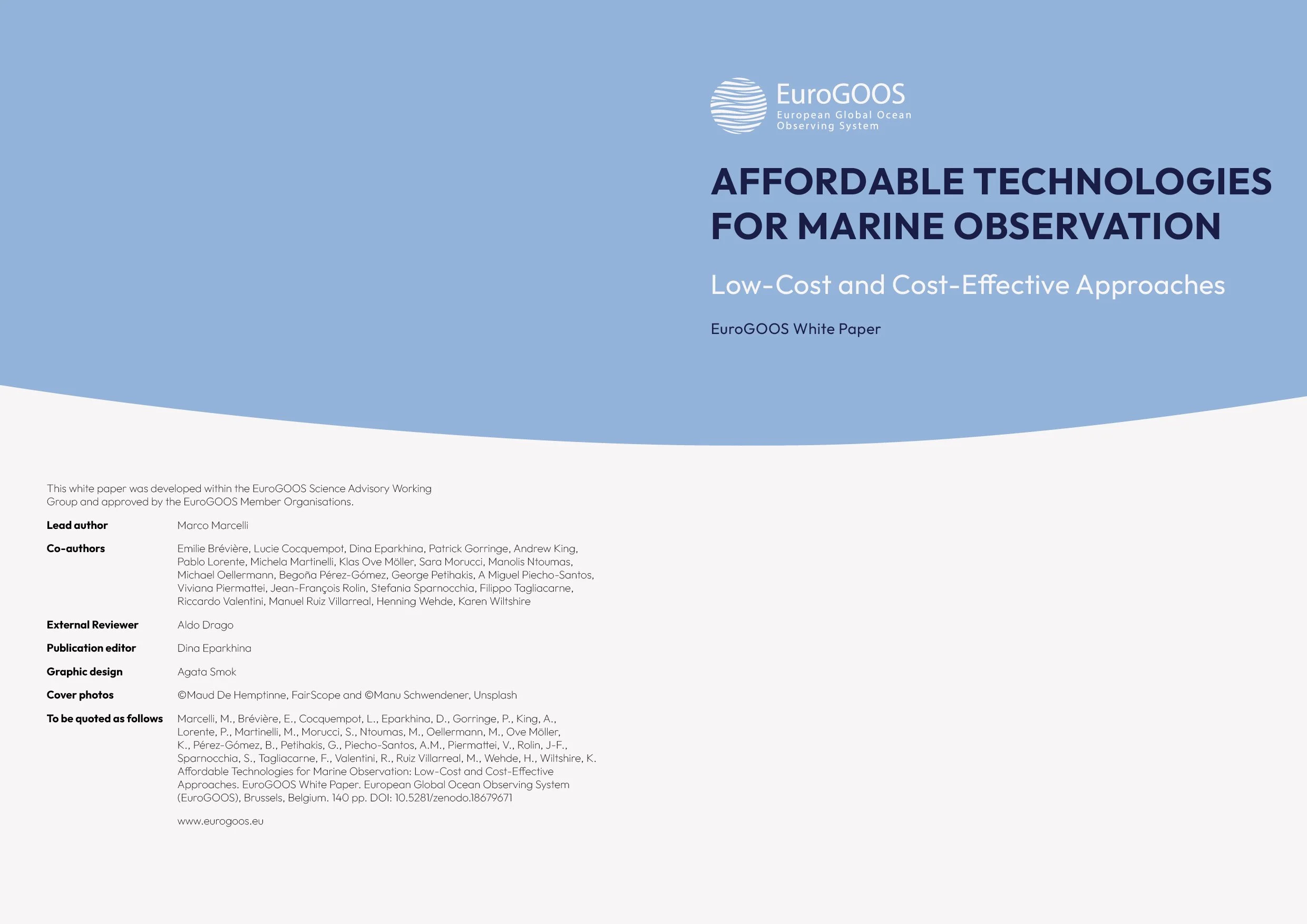
A clear visual identity: a coherent graphic concept and style that runs consistently from cover to last page.
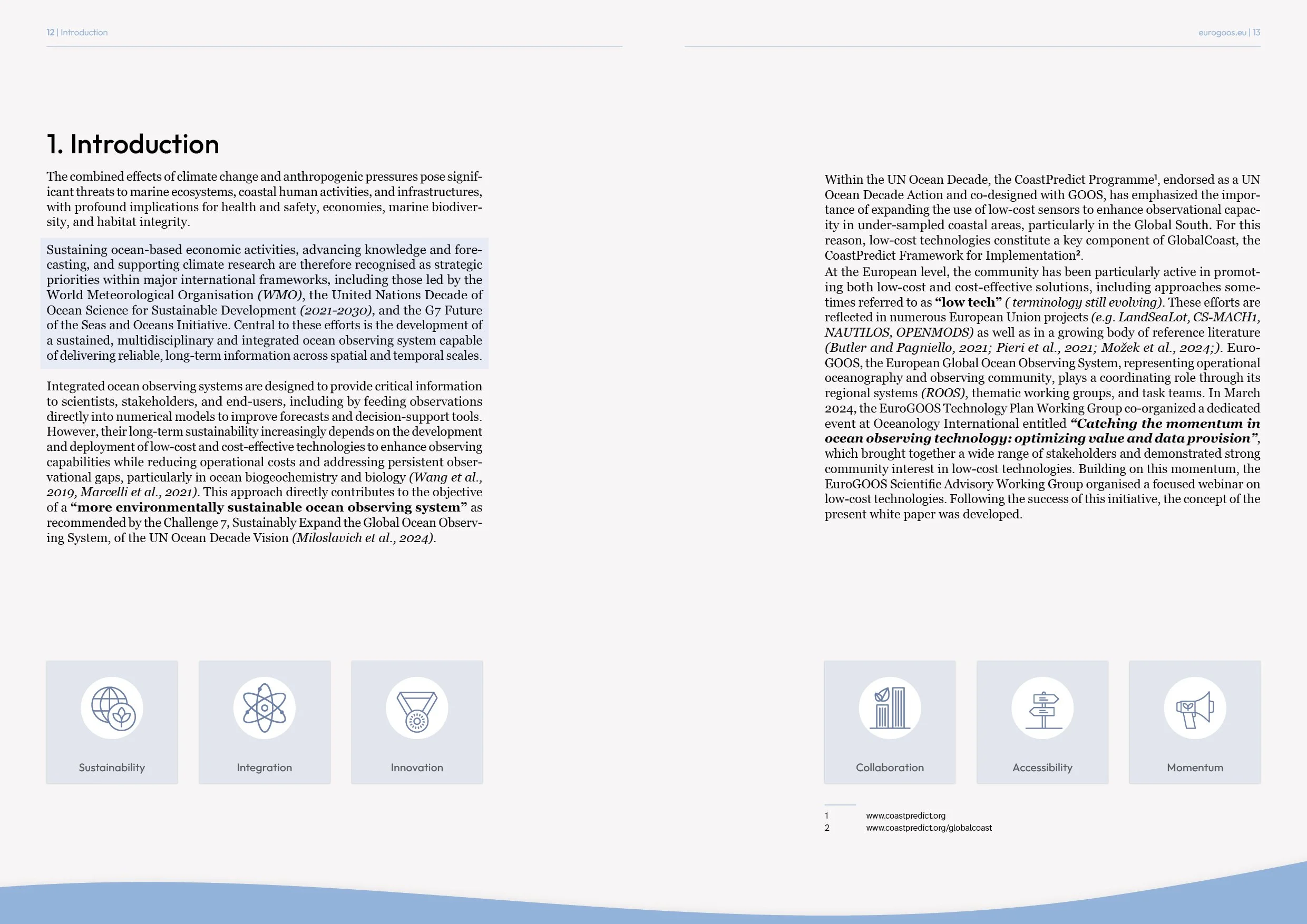
A professional layout: every page (text, charts, tables, and highlights) structured so readers follow the content effortlessly.
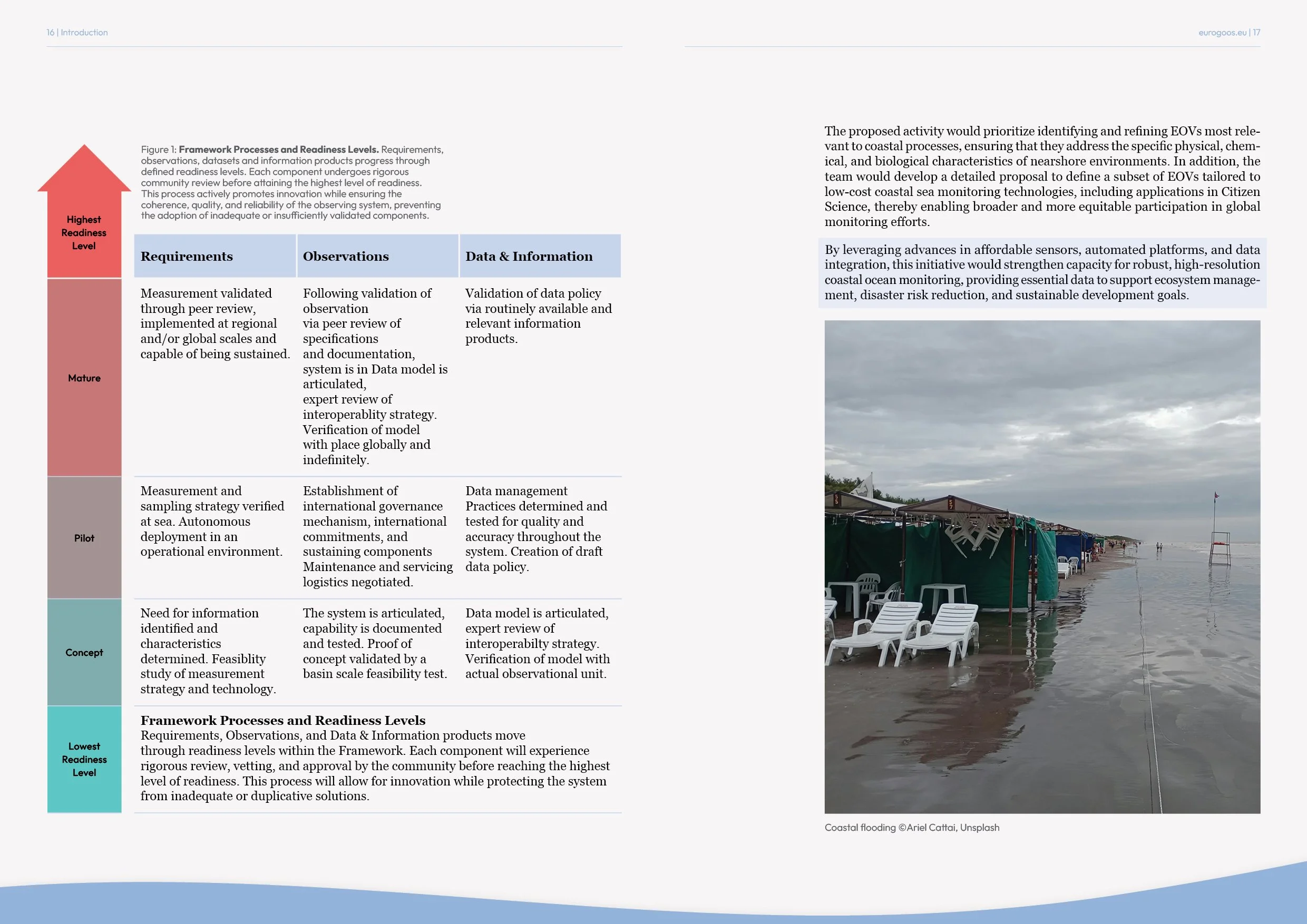
Polished graphics: your existing visuals are harmonised and refined. Figures and supporting elements are created or improved where needed.
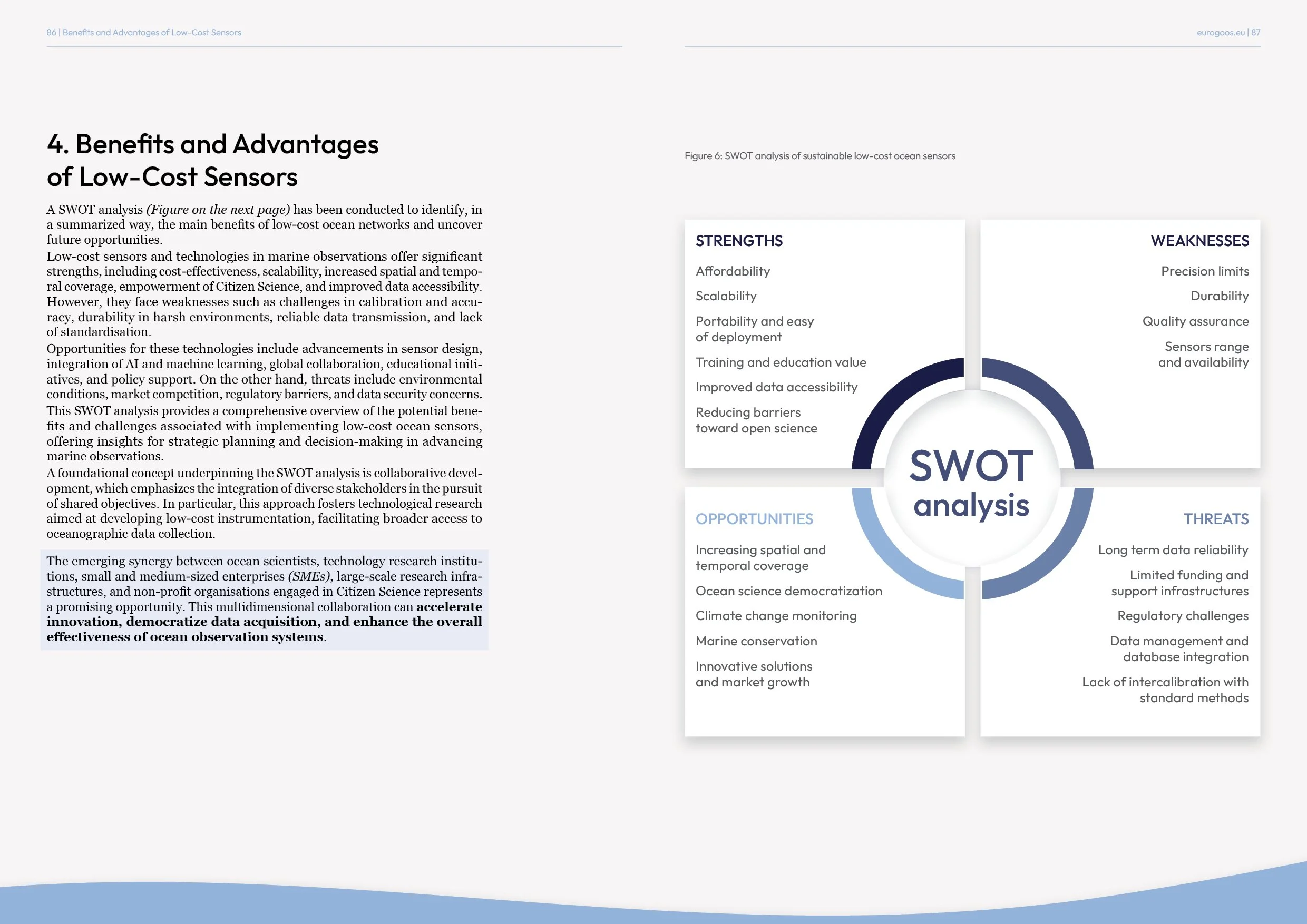
Effortless reading: careful typesetting of letter size, line spacing, and column width so the reading experience never gets in the way of your message.
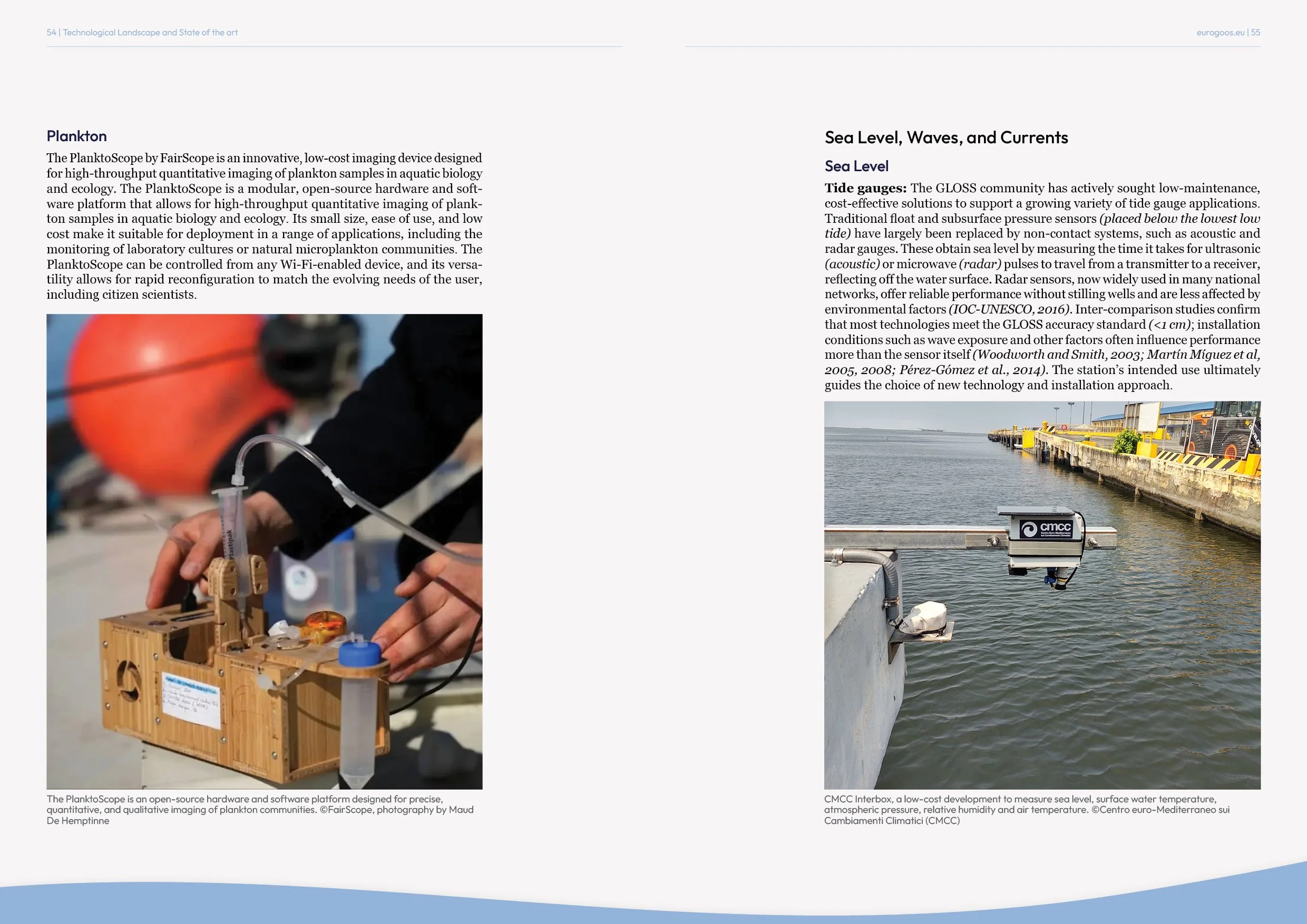
Photography selection: I reach out to organisations and partners to source real-life images. I also select generic stock photos.
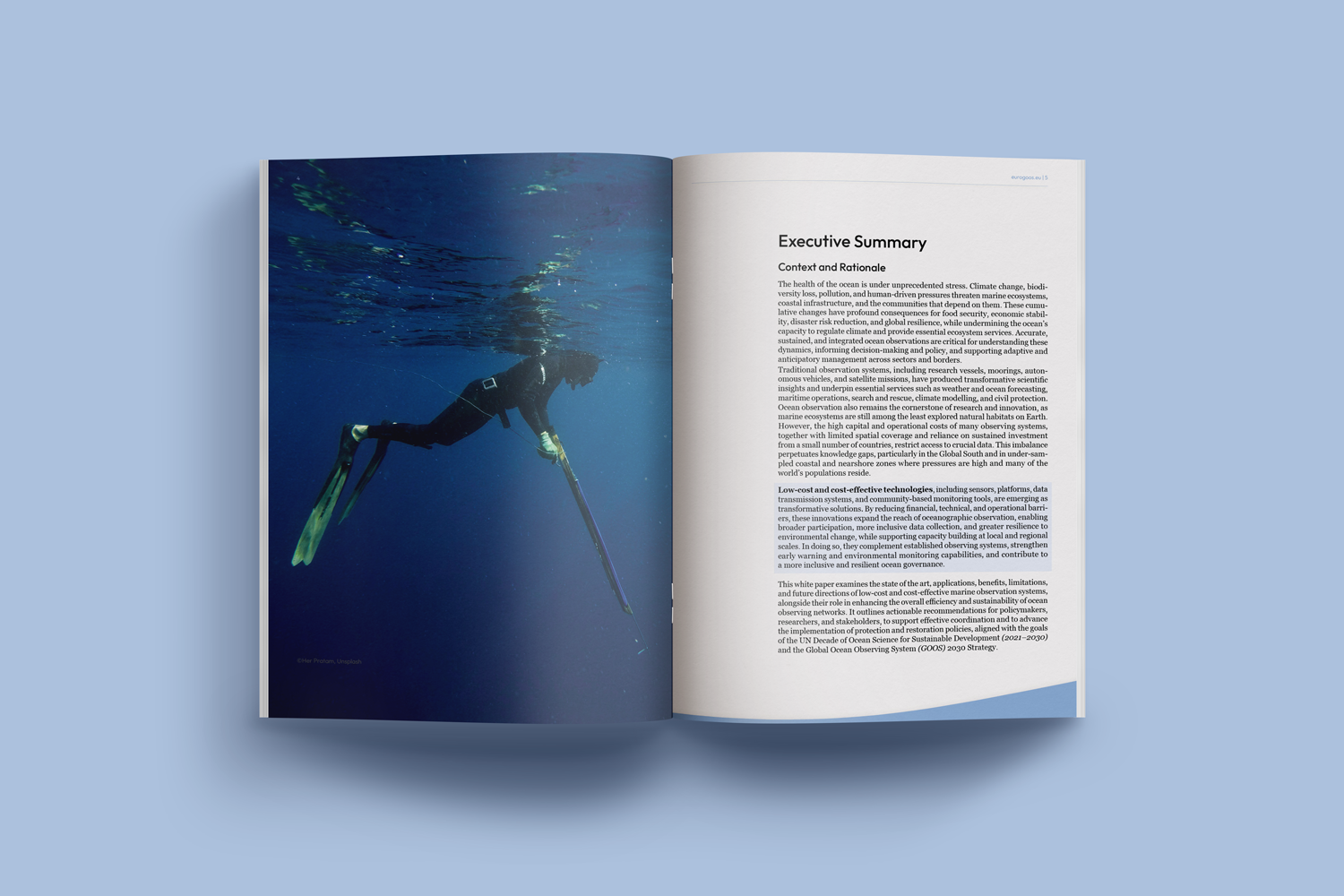
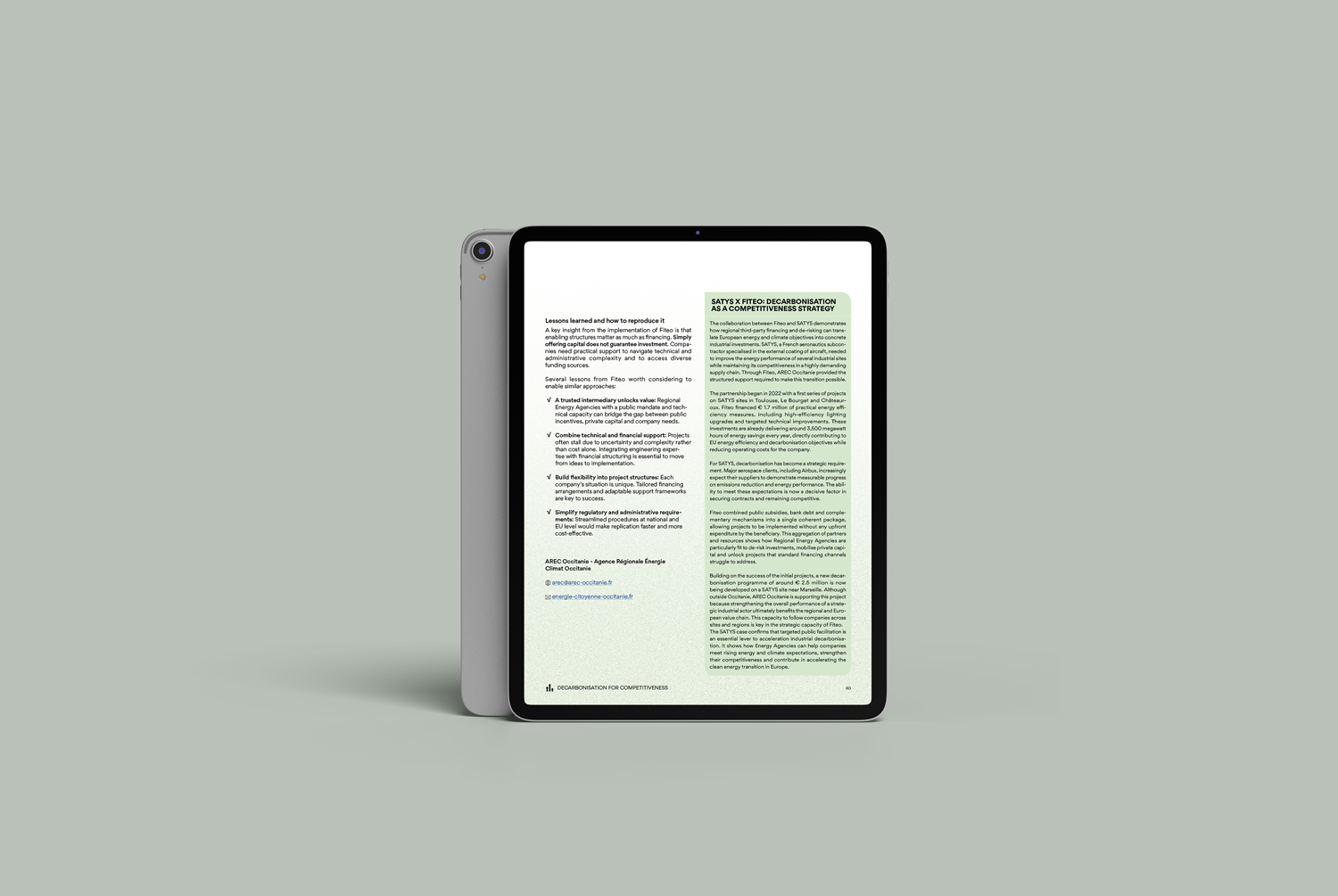
A print-ready file: delivered or ready to send to any printer without back-and-forth. A digital version: an optimised, interactive PDF.
Detailed process for editorial projects:

Part One
-
I start by thoroughly understanding your requirements: target audience, content, and objectives. We discuss the scope, deadlines, and (f.ex. budget) constraints if any.
-
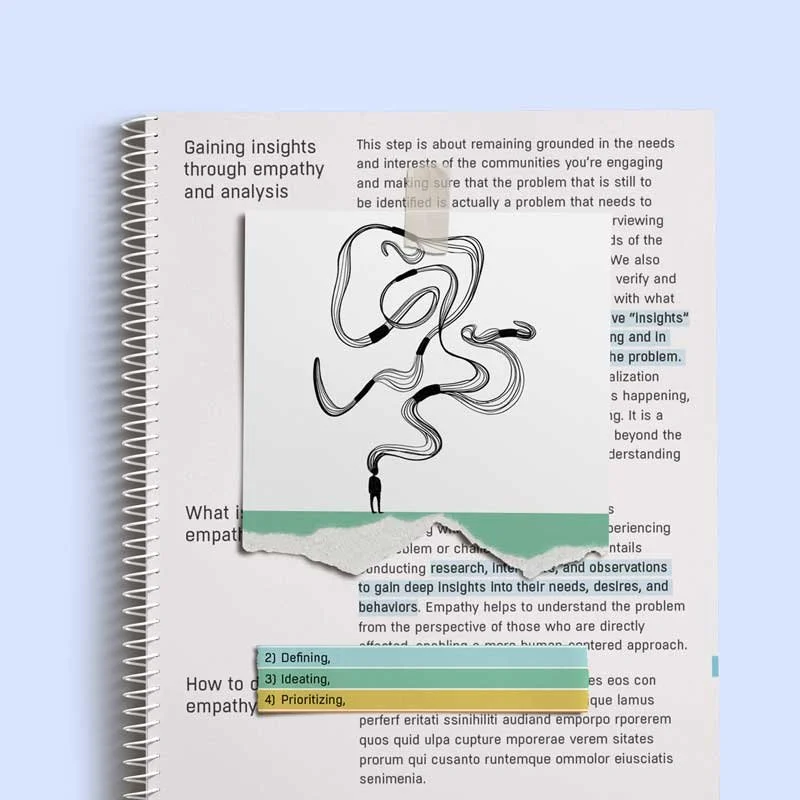
I usually work closely with you and your collaborators to organize the material into logical sections or chapters. I plan the overall layout, including the placement of text, images, headings, and typography.

Part Two
-
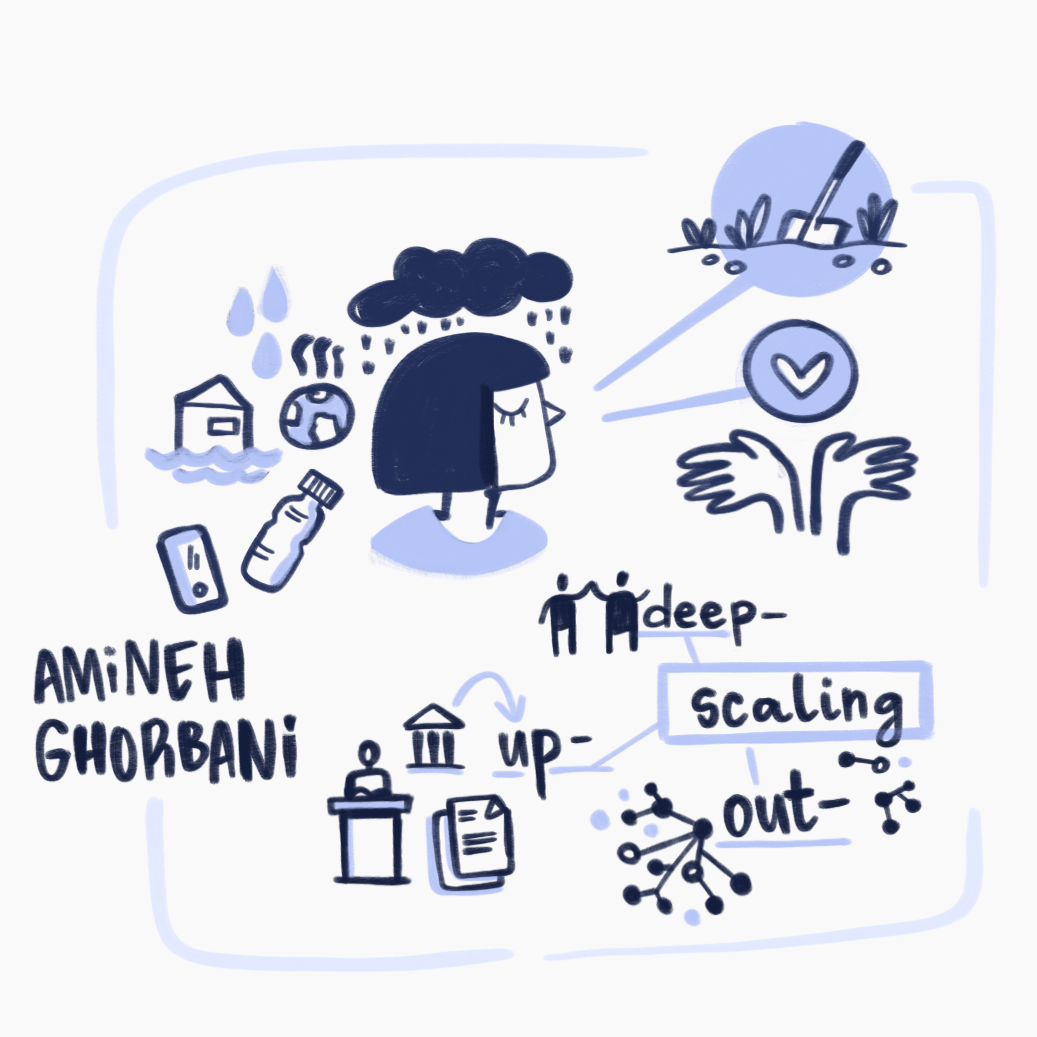
I develop such as illustrations, photographs, charts, and diagrams to enhance the content. I ensure that all visuals align with the overall design concept and effectively communicate key messages.
-
I gather feedback on the initial concepts and revise the designs based on your input. We iterate on the layouts, typography, and visual elements until we are is satisfied with the direction. We usually need two feedback sessions.
-
Next we need a reader who is not familiar with the content to conduct thorough proofreading to catch any typos, grammatical errors as well as design inconsistencies. In the meantime I test the layout in print (proof-printing) or on various devices and screen sizes to ensure compatibility and readability.
-
Once the design direction is approved, I refine the layouts, adjust typographic details, and polish the visual elements. Ensuring consistency in spacing, alignment, and color usage across all pages cannot be underestimated.

Part Three
-
I prepare the final files for printing and/or digital distribution, following the appropriate specifications and formats. I set up bleeds, crop marks, and color profiles for print projects, or optimize files for web and e-book publishing.
-
I liaise with printers to ensure the smooth production of printed materials. I review print proofs for color accuracy and final quality control before mass production.
-
I deliver the final files to you and/or publishing platform. I always ask you for feedback on the completed project to assess satisfaction and identify areas for improvement in future collaborations. I believe that throughout the entire process, effective communication with you and the attention to detail, as well as a creative approach to problem-solving are essential for delivering a successful publication design.

Author's (that's you!) responsibilities
-
The author is primarily responsible for writing the content of the publication. They develop the story, research material (if applicable), write and edit the text.
-
Authors often engage in self-editing to refine their text before submitting it to the designer or working with an editor. They ensure clarity, coherence, and accuracy in their writing. Proofreading for typos and grammatical errors is also part of their responsibility.
-
While the author may not have expertise in graphic design, they often provide input on the overall look and feel of the book cover and interior layout. They may have specific ideas or preferences regarding imagery, typography, or style.
Graphic designer's (that's me!) responsibilities
-
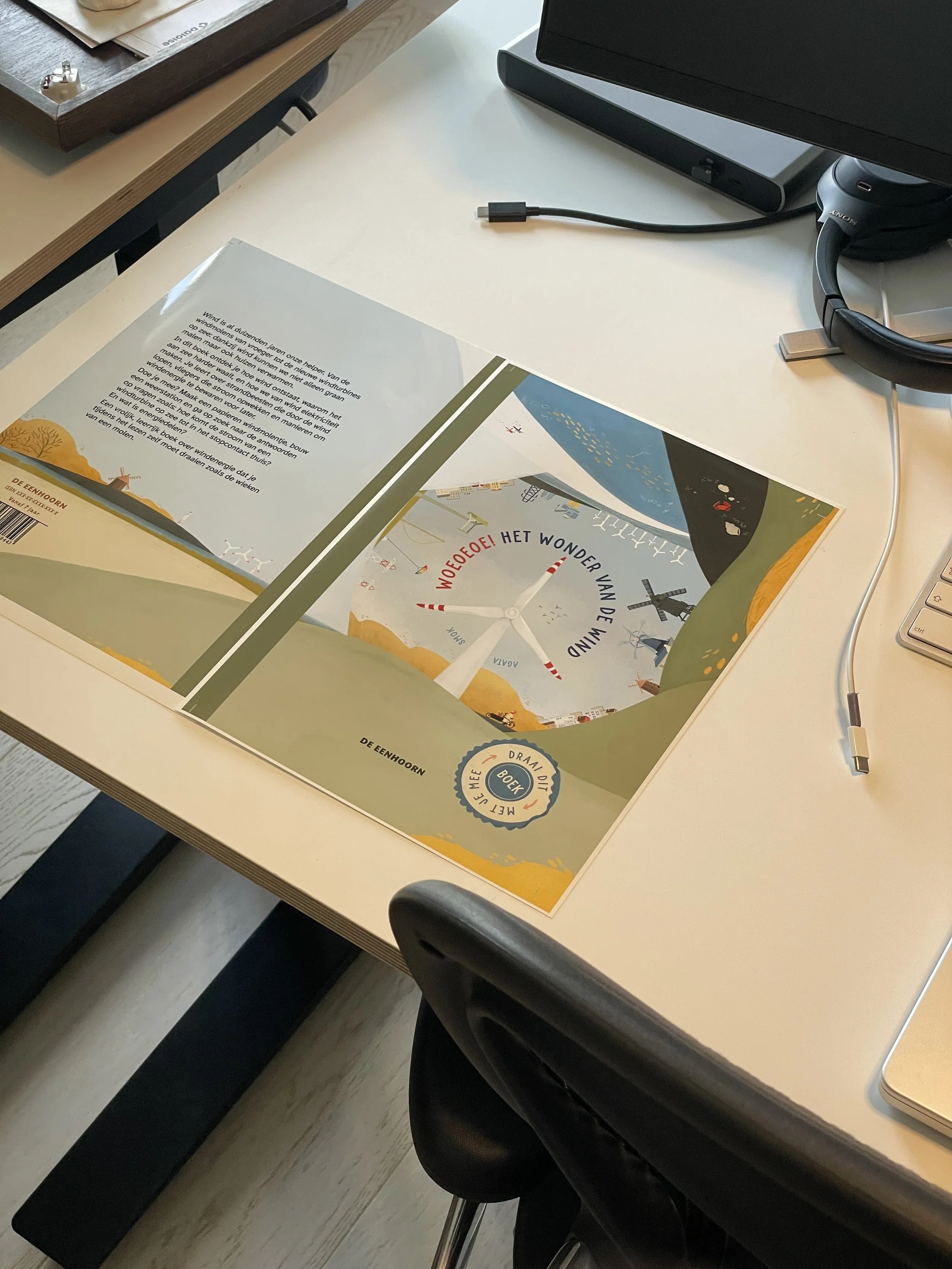
Graphic designers are responsible for creating suitable publication covers that attract readers and accurately represent the book's content. This involves conceptualizing cover designs, selecting typography, and incorporating imagery or illustrations.
-
Designers layout the interior pages of the book, including text formatting, chapter headings, page numbers, and any visual elements such as illustrations, info-graphic, graphs, diagrams, or pull quotes. They ensure readability, consistency, inclusive representation, and accessibility throughout the layout.
-
Graphic designers select appropriate typefaces and determine the typographic hierarchy for the book's interior text. They handle typesetting tasks such as adjusting line spacing, kerning, and leading to optimize readability and visual harmony.
-
Designers may create or source visual elements such as illustrations, photographs, maps, or charts to enhance the book's content. They integrate these elements seamlessly into the layout, ensuring they complement the text and contribute to the overall narrative.
-
Designers prepare final files for printing or digital distribution, following industry standards and publisher specifications. This includes setting up bleeds, crop marks, color profiles, and ensuring compatibility with different formats and devices.
-
Designers collaborate closely with authors, editors, and publishers throughout the design process. They incorporate feedback, address revisions, and ensure the final product meets the author's vision and publisher's requirements.

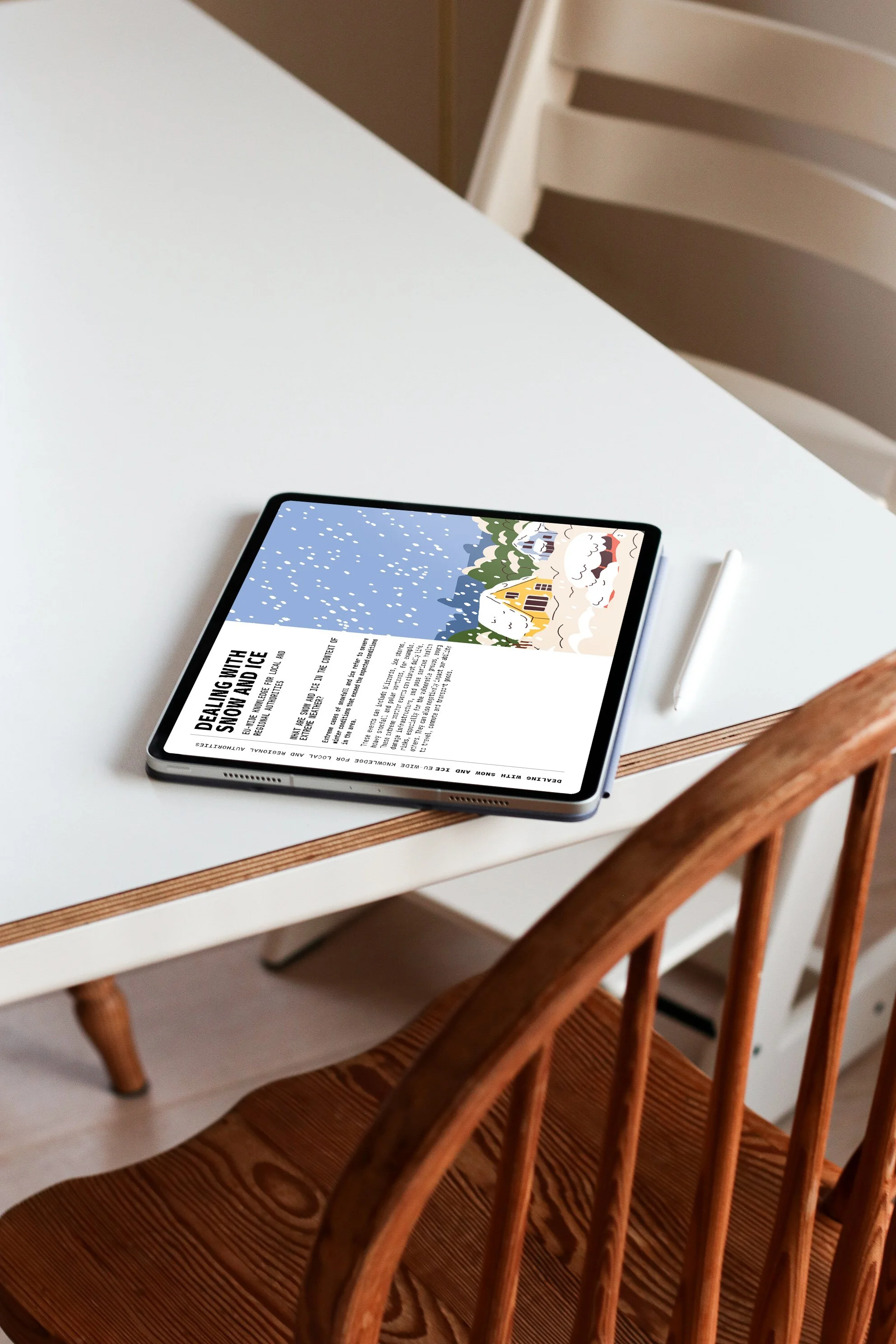





Orlando needed a cover for his PhD thesis on transport planning under uncertainty. We started with satellite images but then landed on something else: tiny humans and a giant policy tree, millions of simulations turned into a cover filled with eye candy. If you are into transport planning, may I suggest Orlando Román García's new publication at ETH Zürich?